
Global EV Adoption Surges Amidst Oil Crisis, US Lags
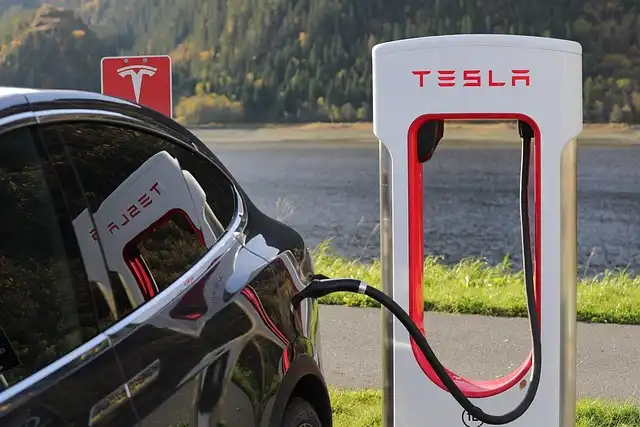
While US EV sales decline, global adoption is soaring due to government incentives and high gas prices. Countries worldwide are accelerating electrification, with record sales in 50 nations, contrasting with the US trend.
US EV Market Trends
In the united state, after the Trump administration removed the government EV tax credit history in 2015 and lowered penalties linked to sustain economic situation requirements to absolutely no, car manufacturers had less incentives to prioritize EVs over gas cars. So sales are way down from in 2014. (Even so, UNITED STATE EV sales in the 2nd quarter reached their highest degree because the tax obligation credit ran out.).
Global Momentum in EV Sales
In Might, Australia strengthened its plug-in car sales motivations and accelerated a brand-new curbside billing program. In April, Thailand introduced a new funding program for acquisitions of battery-powered cars whereas Vietnam prolonged its reduced tax obligation prices on plug-in models to 2030. France is almost doubling its public financing for electrification, and Spain has actually prolonged its tax deductions on EV purchases and battery charger installations.
Driving Factors for Global EV Growth
Faced with soaring gas prices, numerous federal governments rolled out new motivations– or expanded existing ones– to urge EV fostering and minimize their oil import expenses. Plug-in vehicle sales in Australia, India, Brazil, South Korea and Vietnam doubled in between March and June compared to the same period last year, according to the IEA.
Plug-in automobile sales in Australia, India, Brazil, South Korea and Vietnam increased between March and June compared to the same duration last year, according to the IEA.
No matter exactly how you slice it, the rest of the globe is moving on without the united state when it comes to EV adoption. And the oil crunch– ironically, one the united state set off– is only making that void much more noticeable.
Those are simply a few instances. According to the IEA, lots of countries throughout Southeast Asia, Africa and Latin America have either broadened existing rewards or introduced new ones since the battle began to boost electrification.
The International Power Company claimed Thursday that high gas costs because of the battle in Iran drove record plug-in and electrical crossbreed automobile sales in a whopping 50 nations in the 2nd quarter of this year. Keeping that increase, the agency currently expects plug-in lorries to represent 29% of brand-new vehicle sales, up from the 28% it approximated previously this year.
Resilient EV Sales Amidst Market Slump
What’s particularly remarkable is that this occurred during a wider slump in the vehicle market. Global lorry sales fell 5% year over year in the very first fifty percent of 2026. Plug-in lorry sales were likewise down in the very first quarter, yet they recoiled greatly in the 2nd quarter even as general automobile sales continued to decline. That solid second quarter almost got rid of the first-quarter depression, leaving EVs and PHEVs with a 24% share of international light-vehicle sales in the initial 6 months of the year.
The U.S.-led battle in Iran activated an oil shock so acute that it accelerated the adoption of EVs and PHEVs around the world, the IEA says. While EV sales in the united state have decreased year-over-year, the demand for plug-in lorries is booming in other parts of the world, the IEA said in its newest report.
In Might, Australia strengthened its plug-in automobile sales incentives and sped up a new curbside charging program. Worldwide car sales fell 5% year over year in the initial fifty percent of 2026. Plug-in vehicle sales were likewise down in the first quarter, however they rebounded dramatically in the second quarter even as general automobile sales continued to decline. That solid second quarter nearly erased the first-quarter depression, leaving EVs and PHEVs with a 24% share of global light-vehicle sales in the initial 6 months of the year.
Because it came regardless of sales decreases in the world’s 2 biggest auto markets, the rebound is also more striking. In China, general car sales dropped 20% in the very first fifty percent of the year, while the sales of new energy vehicles (NEVs), which includes EVs and PHEVs, declined by a smaller sized margin as reduced subsidies evaluated on demand.
1 electrification2 European EV adoption
3 global sales
4 government incentives
5 IEA
6 oil prices
« Zeekr 9X: Luxury Chinese SUV Challenges European MarketHyundai Ioniq 5 N vs. 6 N: Performance & Handling Differences »